
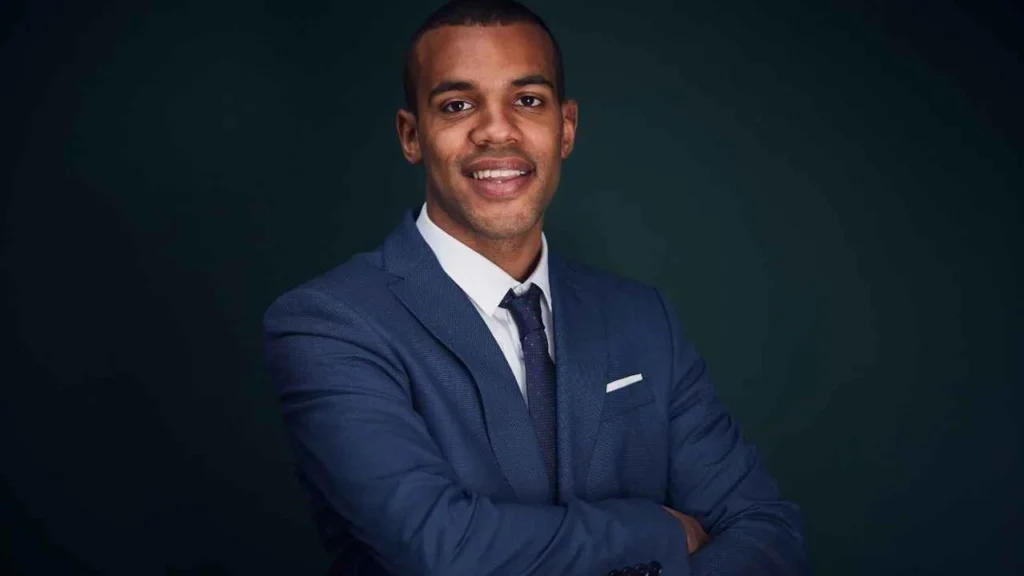
Vegas moves fast—staff changes, promotions, and rebrands do too. If your website and LinkedIn still show last year’s faces (or last decade’s haircuts), it quietly erodes trust. Here’s a clean, research-backed cadence Las Vegas teams can run—with examples, budget notes, and a ready-to-use refresh plan to ensure you always present the best corporate headshots.
The quick answer (so you can plan the shoot)
- Full-team refresh every 24 months. Most reputable sources converge on every 1–2 years for professionals, with conservative fields trending to the longer end.
- Rolling add-ons every quarter. New hires, promotions, and visual changes (hair, weight, glasses, facial hair) should trigger an add-on mini session right away—don’t wait for the big batch.
- Leadership + public-facing roles: Plan annual updates; they speak at conferences, hit the press, and see higher profile-view traffic. Guidance for frequent refreshes is common in marketing/leadership advice.
Why this rhythm works in Vegas: Private-sector median tenure is ~3.5 years, which means meaningful churn well before five years—and brand standards shift even faster. A 24-month baseline keeps headshots aligned with the real team your buyers will meet.
What the data says about “fresh” images
- Recency signals credibility. People form snap judgments in ~0.1 seconds; dated or mismatched photos hurt authenticity and response. (This is why LinkedIn image quality/recency advice keeps coming up in platform literature and roundups.)
- Common recommendation: Replace headshots every 1–2 years—or sooner after a major change.
- Broader profile guidance: Mainstream outlets suggest ≤3 years for profile images if your look hasn’t changed; sooner if it has.
A simple 12–24 month headshot calendar (Las Vegas edition)
|
Month |
What to do |
Why it matters |
|
Q1 |
On-site mobile day for all new hires since last shoot; 15–20 minutes/person. |
Keeps org charts, Slack/CRM, and site bios aligned without downtime. Vegas mobile headshot stations are built for this. |
|
Q2 |
Leadership tune-up session (execs, sales, PR). |
Public-facing roles need the cleanest, most current look. |
|
Q3 |
Brand pass: background/color consistency check; schedule catch-ups for promotions or hairstyle changes. |
Consistent backdrops and lighting boost perceived quality on team pages. |
|
Q4 |
Full-team refresh if you’re on a 12-month cycle; otherwise lock Q4 dates for year-2. |
12- to 24-month cadence aligns with widely recommended refresh windows. |
Tip: If your HQ or event schedule runs through the Strip or Convention Center, book mobile on-site during conference weeks to capture traveling execs without extra trips. Vegas photographers widely offer on-location options.
When to refresh now (don’t wait)
- New brand system (colors/backdrops changed) → redo leaders + any mismatched images.
- Visible appearance changes (hair, weight, glasses, facial hair).
- Role shift (promotion to manager/partner, media-facing duties).
- Website redesign or CRM/ID refresh (Salesforce/HubSpot/ID cards).
Mobile vs. studio for teams (what Vegas companies actually choose)
- Mobile (on-site at your office or conference suite): Fastest for 10–200 people; consistent lighting with a portable setup; minimal downtime. Great for quarterly add-ons.
- Studio (local): Max control for flagship portraits and leadership polish; easy for 1–3 people at a time. Many Las Vegas photographers offer both.
Budgeting the refresh (realistic ranges)
Local market pages and guides put most professional headshot sessions in the $200–$600+ bracket per person, with entry studio options sometimes lower and on-site team rates quoted by half-day/day. Always compare what’s included (retouches, backdrop matching, travel/parking on the Strip).
Before/after examples you can copy
Example A — Background standardization
- Before: Mixed office walls, different crops, three lighting styles.
- After: One branded charcoal backdrop and identical crop for all titles.
- Impact: The team page reads “one company,” not “ten freelancers.” (Backdrops + uniform lighting are a known consistency win.)
Example B — Rolling new-hire add-ons
- Before: New faces missing for months.
- After: Quarterly 90-minute on-site mini day captures 6–12 hires; web and LinkedIn updated within a week.
- Impact: Sales and recruiting stop apologizing for “site’s a bit behind.”
Example C — Leadership annuals
- Before: CEO’s five-year-old shot, different from press kit.
- After: Annual studio session, plus 9:16 and square crops for PR and social.
- Impact: Media teams stop cropping headshots badly for vertical platforms.
Implementation checklist (steal this)
- Pick your cadence: 24-month full refresh + quarterly add-ons; annual leadership.
- Lock a look: backdrop color, crop, and lighting style = “brand.” Document it. Consistency converts.
- Create a new-hire trigger: HR sends a calendar link during onboarding.
- Prep guide: wardrobe + grooming PDF (solids, matte textures, minimal patterns).
- File naming + crops: jpg with 3 crops (web 4:5, LinkedIn 1:1, PR 3:2).
- Distribution: update website bios, Slack, email avatars, CRM, LinkedIn the same week. (Fresh profile images aid authenticity and first-impression trust.)
FAQs
Q1 Isn’t 24 months too frequent for law/finance?
Those industries can stretch longer, but a two-year cycle still tracks with mainstream recommendations—and promotions or style shifts often force an earlier update anyway.
Q2 What if someone refuses photos?
Offer a neutral logo placeholder and a private studio time within 30 days. Aim for 95% coverage on the team page for credibility.
Q3 Do minor haircuts matter?
If someone would not recognize you at a meeting based on your photo, it’s time. That’s the rule of thumb across professional guidance.
